Procedural Ancient Building Generator

Procedural Ancient Building Generator

Houdini Digital Asset Solo Project | Technical Art, Modelling


Houdini Digital Asset

Solo Project | Technical Art, Modelling


The video showcases the capabilities of the Procedural Ancient Generator. It not only allows control over building dimensions based on traditional Chinese architectural principles—such as the number of bays in width and depth—but also supports customization of features like roof types, number of floors, attached side structures (baosha), presence of corridors, and more. The generator uses a modular approach and can be imported into Unreal Engine for batch generation.
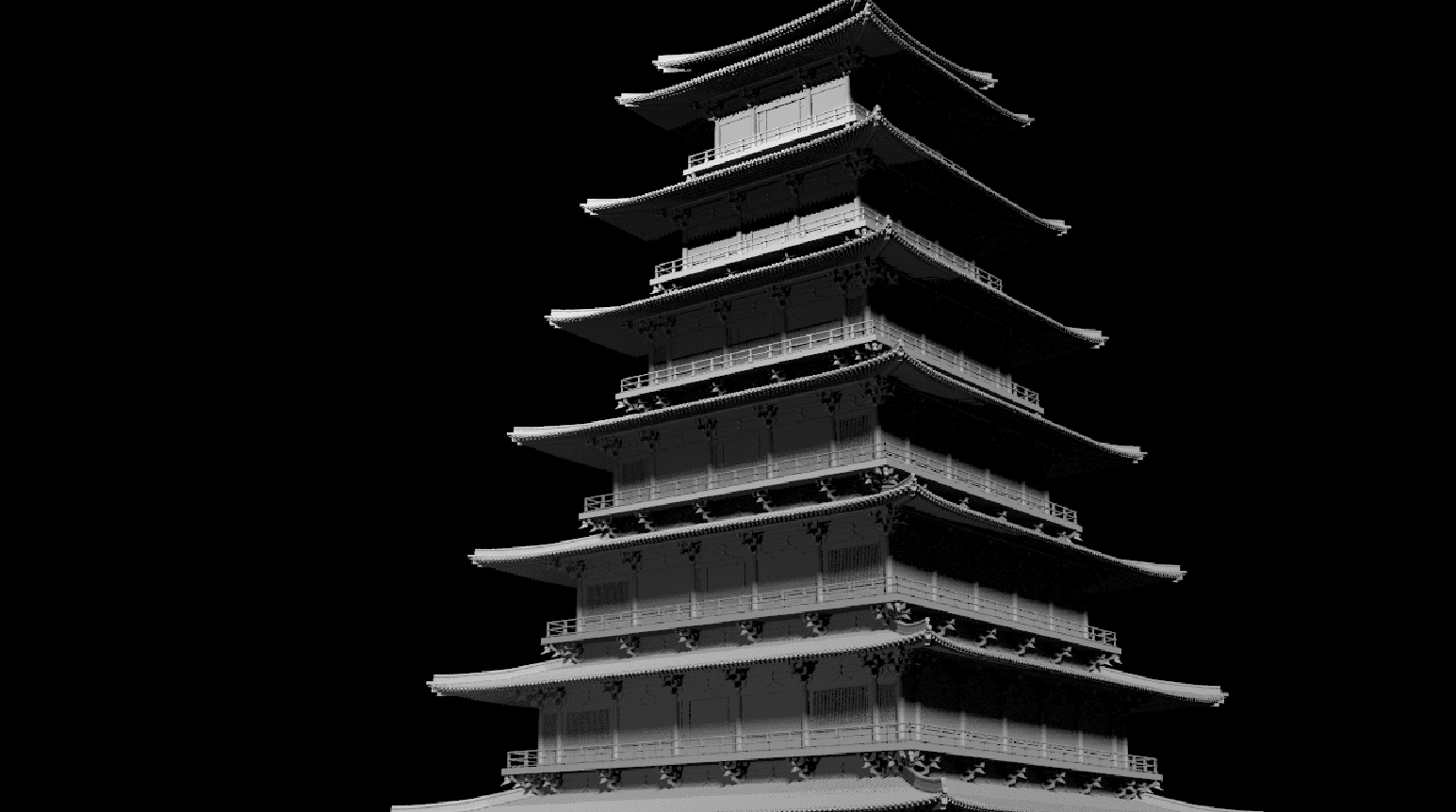
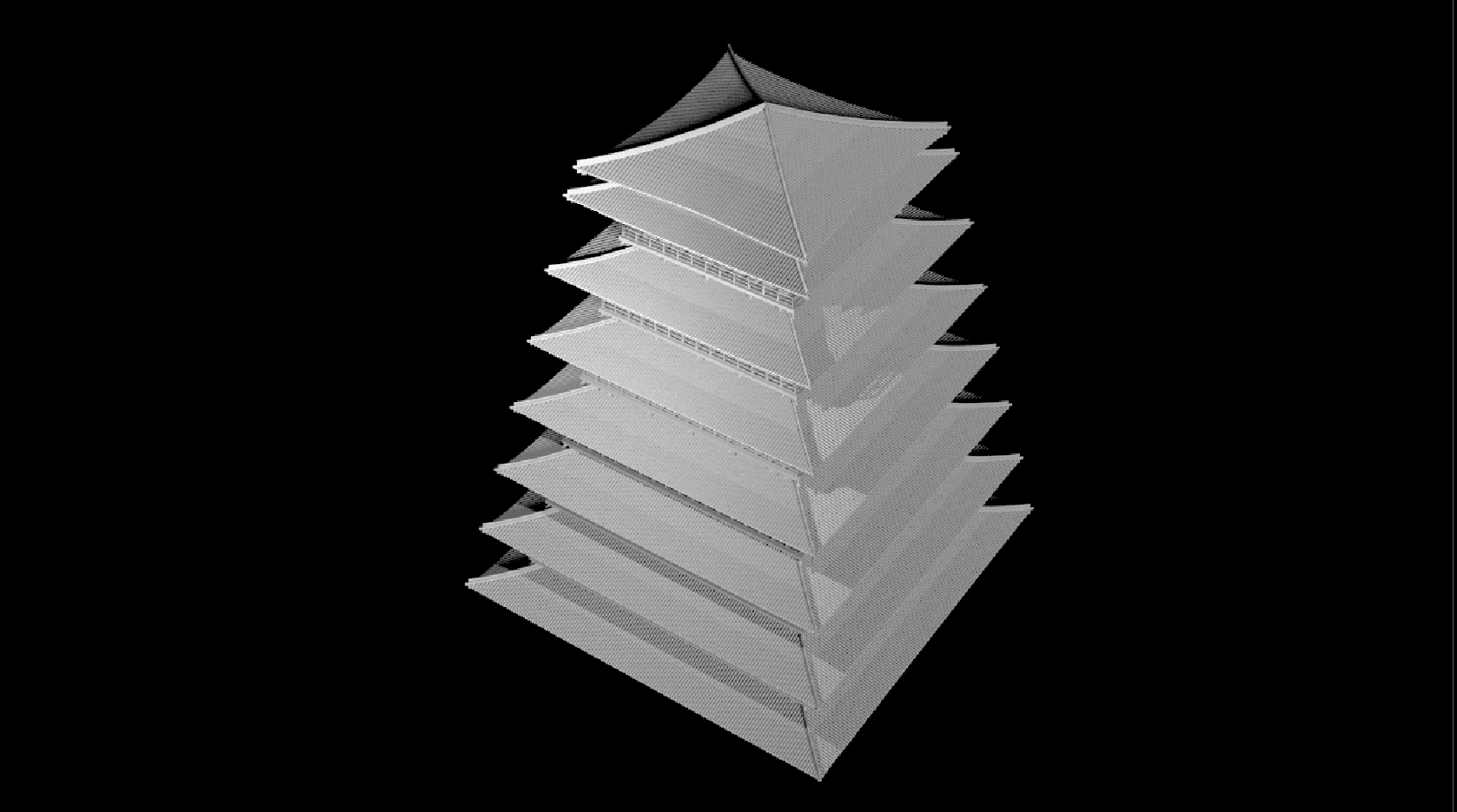
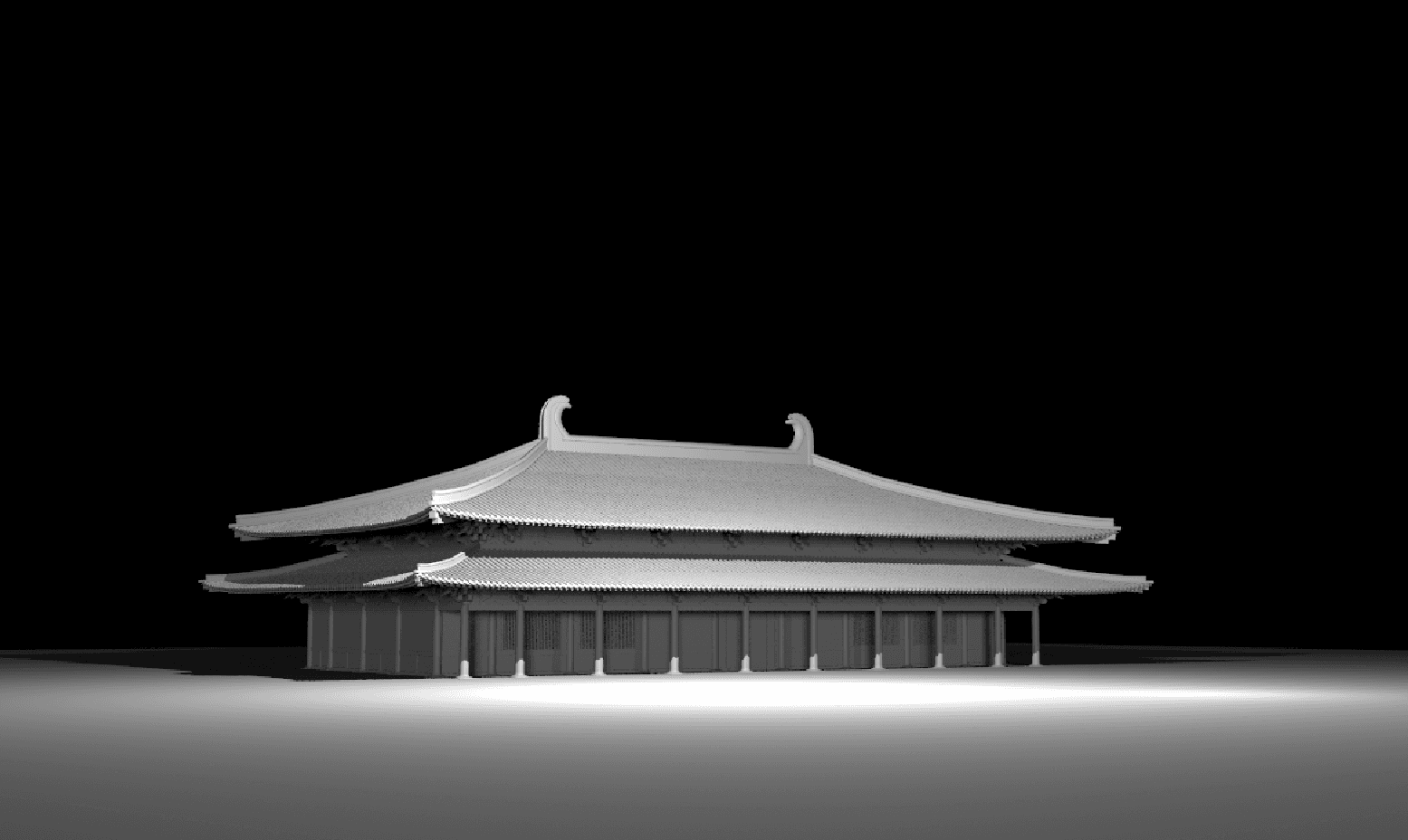
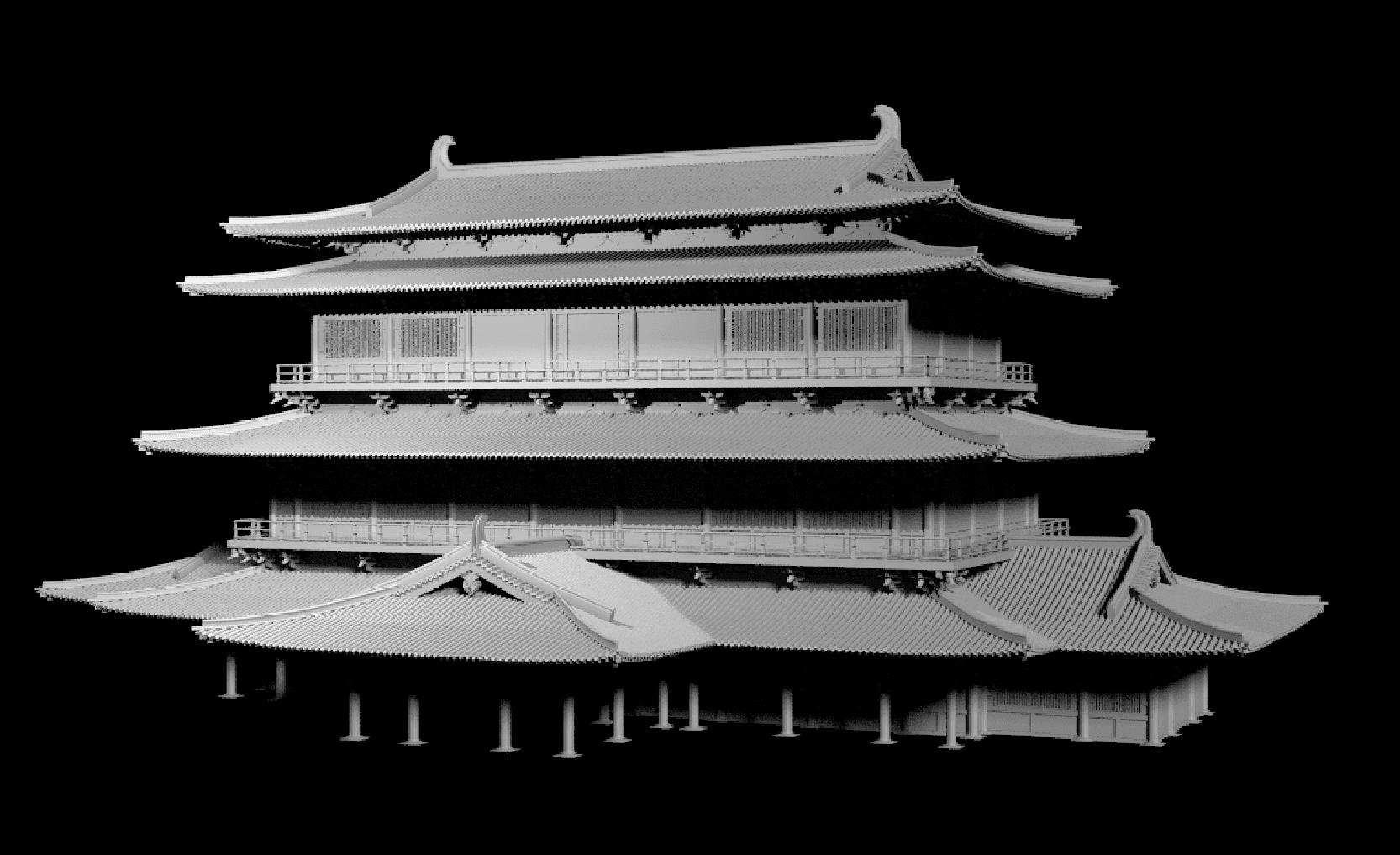
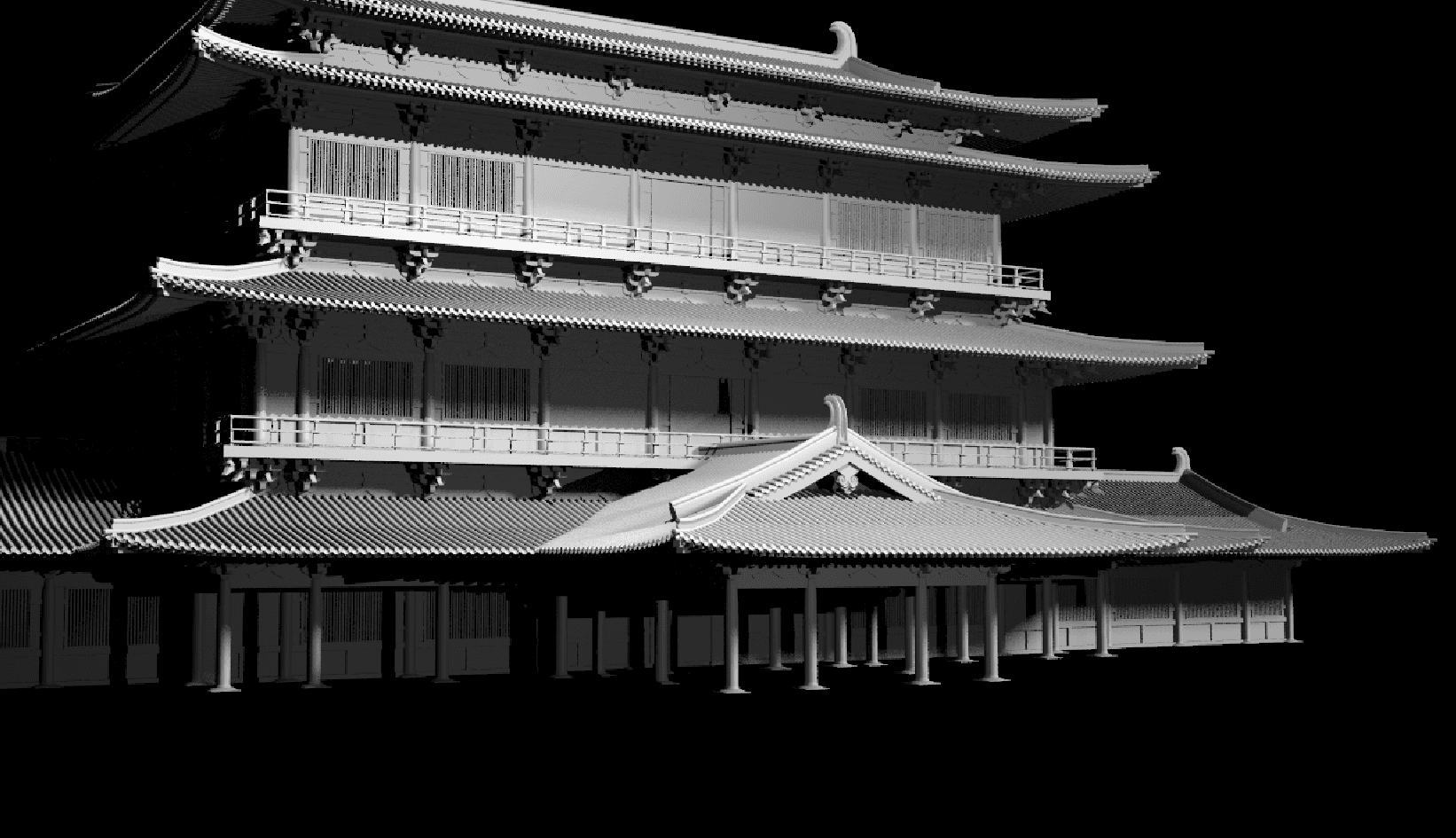
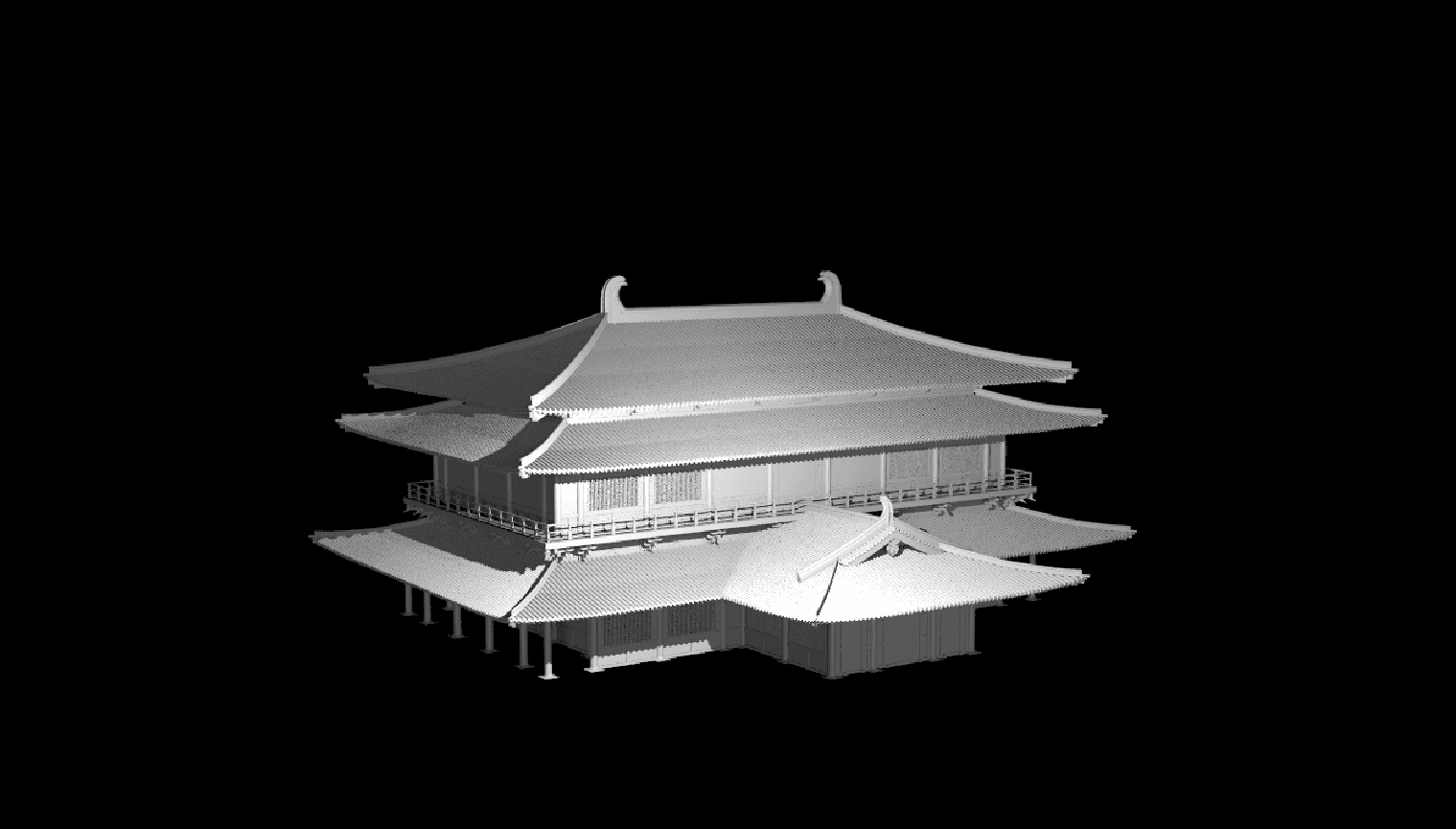
These are various types of buildings generated using the generator, including multi-story palaces, pagodas, and single-story Buddhist halls.

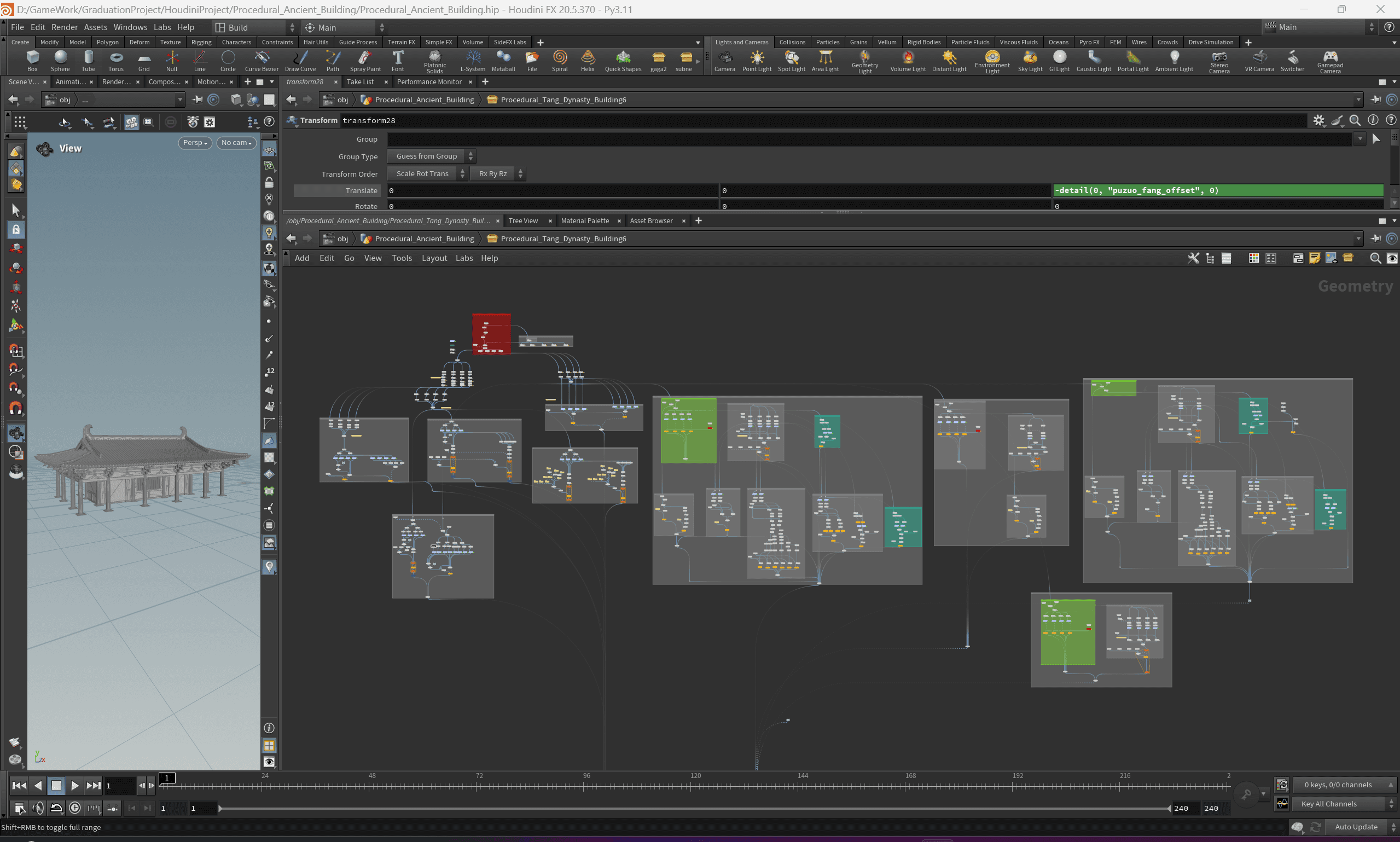
This is the SOP node graph of the tool in Houdini, showing the internal structure of its core module. At the outermost level, a Global Manager controls the combination and generation of multi-story structures and side extensions (baosha) using this module.

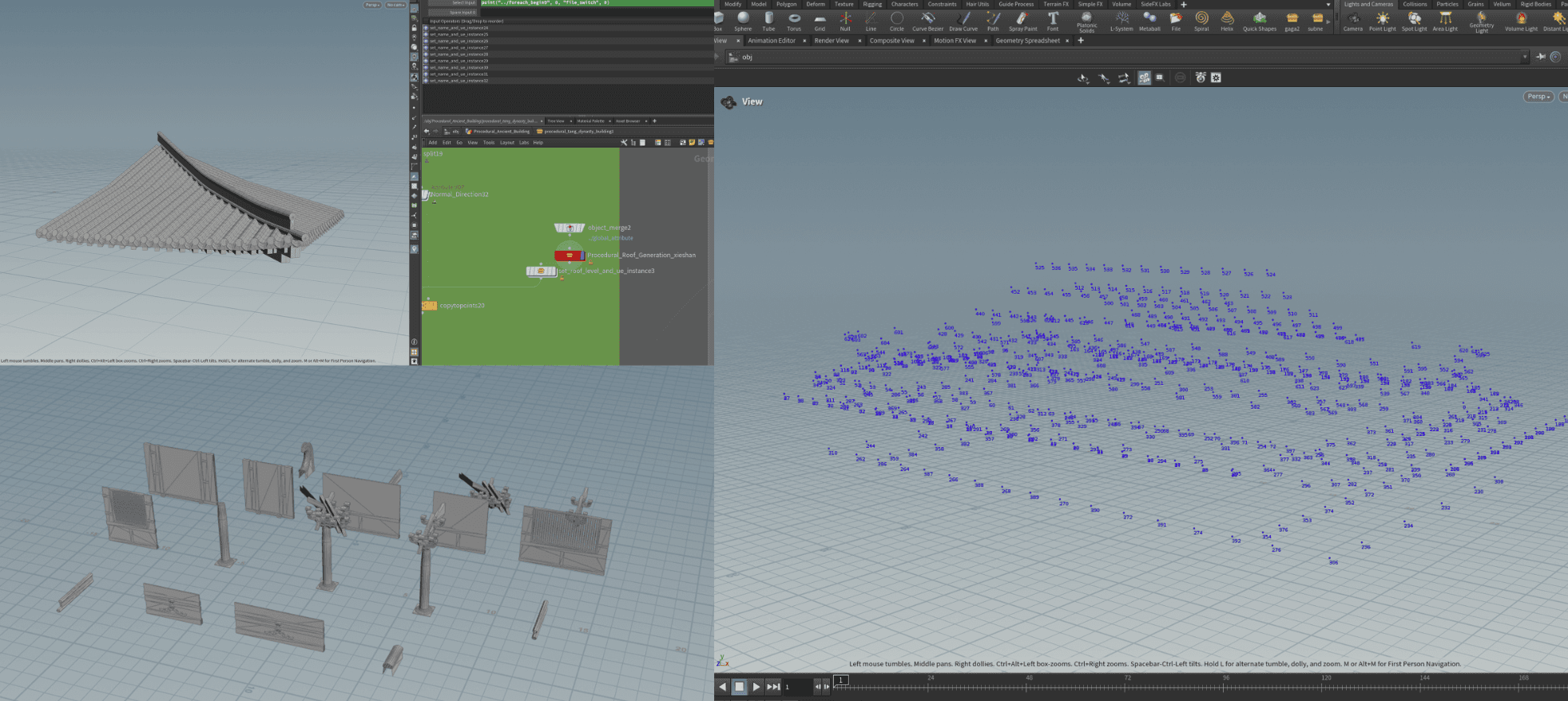
The generation is based on modularization, breaking down traditional Chinese architecture into components such as columns, wall panels, roof tiles, roof bases, dougong (bracket sets), and more. A point cloud is generated to define the structure, which can then be imported into Unreal Engine to assemble buildings using UE’s models.

These are various types of buildings generated using the generator, including multi-story palaces, pagodas, and single-story Buddhist halls.

This is the SOP node graph of the tool in Houdini, showing the internal structure of its core module. At the outermost level, a Global Manager controls the combination and generation of multi-story structures and side extensions (baosha) using this module.

These are various types of buildings generated using the generator, including multi-story palaces, pagodas, and single-story Buddhist halls.

This is the SOP node graph of the tool in Houdini, showing the internal structure of its core module. At the outermost level, a Global Manager controls the combination and generation of multi-story structures and side extensions (baosha) using this module.

The generation is based on modularization, breaking down traditional Chinese architecture into components such as columns, wall panels, roof tiles, roof bases, dougong (bracket sets), and more. A point cloud is generated to define the structure, which can then be imported into Unreal Engine to assemble buildings using UE’s models.


Jianwen Wu (Mark Wu)

Contact: +86 150-2333-6776

Email: wujianwen5221@gmail.com

Create a free website with Framer, the website builder loved by startups, designers and agencies.